
Department of Computer Science & Engineering (CSE)
Empowering Tomorrow’s Tech Leaders

Department of Computer Science & Engineering
Where Code Meets Career - and Engineers Are Built to Last.
Department of Computer Science & Engineering was established in the year 2007 to impart quality education in the field of Computer Science. With rapidly evolving technology and the continuous need for innovation, the department always produces quality professionals holding important positions in the Information Technology industry in India and abroad.
The Department currently offers a B.Tech in Computer Science with an intake of 120 students, and M.Tech in Computer Science with an intake of 18 students. The courses offered meet the requirements of both industry and research, and are regularly updated to stay aligned with current technology trends.
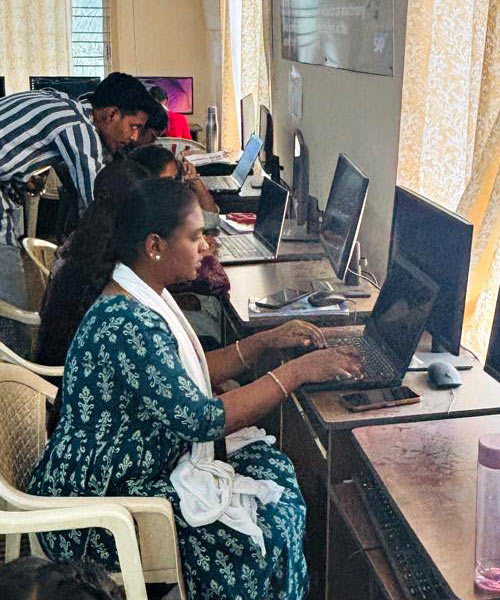
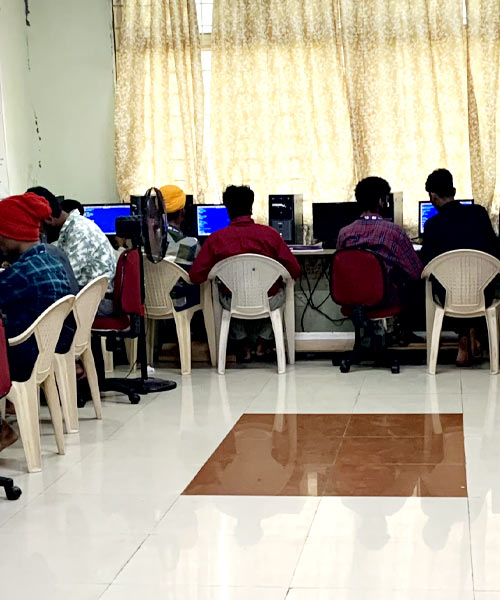
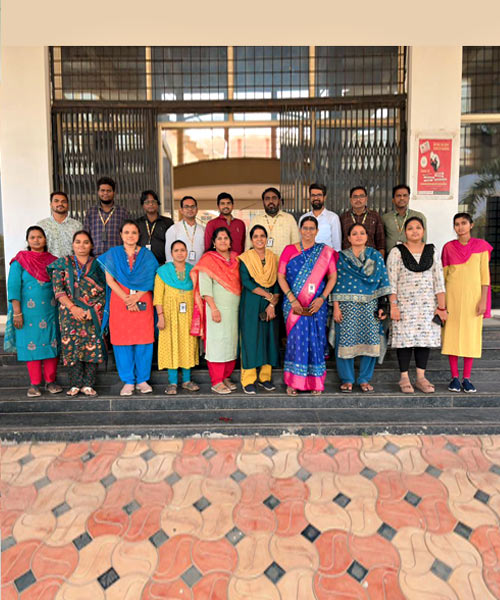
The department is staffed by experienced, JNTUH-ratified faculty who bring a strong combination of academic knowledge and practical exposure to the classroom. Teaching goes beyond lectures — students are encouraged to learn through hands-on lab work, industry projects, coding challenges, and participation in technical events and workshops.
Over the years, the CSE Department has built a consistent record of strong placements, with graduates going on to work at leading IT companies across India and internationally. The department also actively supports students aiming for higher education through GATE preparation guidance and research opportunities through the M.Tech programme.
Interested in joining the CSE Department? Call us: 77299 89434 / 9505506224
Explore the CSE Department
Click any tab on the left to explore Vision, Faculty, Labs, Outcomes, and more.
Vision & Mission
PEO, PSO, PO
Course Outcomes (CO)
PAQIC
HOD
Faculty
Labs
Functional Committee
Vision
To create an eminent academic platform the graduates by providing unique learning, research and empower to be technologically in field of computer science and engineering.
Mission
- To impart quality academic to prepare students to be continuous learners in a connected world and impart professional skills and ethical responsibilities.
- To groom our young students with analytical and technical competency for productive Career in industry, academia and entrepreneurs.
- Create nurturing environment through competitive events industry interactions, global collaborations and hands on experience on latest tools and technologies.
Department of Computer Science Engineering
Program Educational Objectives (PEOs)
A graduate of the COMPUTER SCIENCE AND ENGINEERING Program should:
PEO 1: To produce graduates who can provide solutions to challenging problems in their profession by applying computer engineering theory and practices.
PEO 2: Excellence in professionalism, moral and ethical conduct, interpersonal skills and adaptable communication to prevalent trends in technology and vis-à-vis changing technology
PEO 3: Graduates of the program will engage in successful careers in industry, academia and attain positions of importance where they have an impact on their business, profession, and community.
.
Program Specific Outcomes (PSOs)
A graduate of the CSE (ARTIFICIAL INTELLIGENCE & MACHINE LEARNING) Program will:
PSO 1: Understand, Analyze and Develop computer programs for efficient design of computer-based systems of varying complexity
PSO 2: Able to excel in various programming/project competitions and technological challenges laid by professional societies.
PSO 3:Promote novel applications that meet the needs of entrepreneur, environmental and social issues.
Program Outcomes (POs)
PO 1: Engineering Knowledge: Apply the knowledge of mathematics, science, engineering fundamentals, and an engineering specialization to the solution of complex engineering problems.
PO 2: Problem Analysis: Identify, formulate, research literature, and analyze complex engineering problems reaching substantiated conclusions using first principles of mathematics, natural sciences, and engineering sciences.
PO 3: Design/Development of Solutions: Design solutions for complex engineering problems and design system components or processes that meet the specified needs with appropriate consideration for the public health and safety, and the cultural, societal, and environmental considerations.
PO 4: Conduct Investigations of Complex Problems: Use research-based knowledge and research methods including design of experiments, analysis and interpretation of data, and synthesis of the information to provide valid conclusions.
PO 5: Modern Tool Usage: Create, select, and apply appropriate techniques, resources, and modern engineering and IT tools including prediction and modeling to complex engineering activities with an understanding of the limitations.
PO 6: The Engineer and Society: Apply reasoning informed by the contextual knowledge to assess societal, health, safety, legal and cultural issues and the consequent responsibilities relevant to the professional engineering practice.
PO 7: Environment and Sustainability: Understand the impact of the professional engineering solutions in societal and environmental contexts, and demonstrate the knowledge of need for sustainable development.
PO 8: Ethics: Apply ethical principles and commit to professional ethics, responsibilities, and norms of the engineering practice.
PO 9: Individual and Team Work: Function effectively as an individual, and as a member or leader in diverse teams, and in multidisciplinary settings.
PO 10: Communication: Communicate effectively on complex engineering activities with the engineering community and with society. Some of them are, being able to comprehend and write effective reports and design documentation, make effective presentations, and give and receive clear instructions.
PO 11: : Project Management and Finance: Demonstrate knowledge and understanding of the engineering and management principles and apply these to one’s own work, as a member and leader in a team, to manage projects and in multidisciplinary environments.
PO 12:Lifelong Learning: Recognize the need for, and have the preparation and ability to engage in independent and lifelong learning in the broadest context of technological change
Department of Computer Science Engineering Course Outcomes (CO)
| COURSE OUTCOMES OF COMPUTER SCIENCE AND ENGINEERING | |||
| S.No | Year/Sem | Course Name | Course Outcomes |
| 1 | II-I | ANALOG AND DIGITAL ELECTRONICS |
CO1: Know the characteristics of various components.
|
|
CO2:Under stand the utilization of components.
|
|||
|
CO3: Design and analyze small signal amplifier circuits.
|
|||
|
CO4:Learn Postulates of Boolean algebra and to minimize combinational functions
|
|||
|
CO5: Design and analyze combinational and sequential circuits
|
|||
| 2 | II-I | DATA STRUCTURES |
CO1: Ability to select the data structures that efficiently model the information in a problem.
|
|
CO2: Ability to assess efficiency trade-offs among different data structure implementations or combinations.
|
|||
|
CO3: Implement and know the application of algorithms for sorting and pattern matching.
|
|||
|
CO4: Design programs using a variety of data structures, including hash tables, binary and general tree structures, search trees, tries, heaps, graphs, and AVL-trees.
|
|||
| 3 | II-I | COMPUTER ORIENTED STATISTIACAL METHODS |
CO1:Understand the concepts of probability and distributions to some case studies.
|
|
CO2. Evaluate Mathematical Expectation and Discrete Probability Distributions.
|
|||
|
CO3. Apply Continuous Normal Distribution and Fundamental Sampling Distributions.
|
|||
|
CO4. Analyze testing hypothesis of Sample Mean and Sample Proportion.
|
|||
|
CO5 Understand the concept of Stochastic Processes and Markov Chains
|
|||
| 4 | II-I | COMPUTER ORGANISATION AND ARCHITECTURE |
CO1:Understand the basics of instruction sets and their impact on processor design.
|
|
CO2:Demonstrate an understanding of the design of the functional units of a digital computer system.
|
|||
|
CO3:Evaluate cost performance and design trade-offs in designing and constructing a computer processor including memory.
|
|||
|
CO4:Design a pipeline for consistent execution of instructions with minimum hazards.
|
|||
|
CO5:Recognize and manipulate representations of numbers stored in digital computers
|
|||
| 5 | II-I | OBJECT ORIENTED PROGRAMMING USING C++ |
CO1:Introduces Object Oriented Programming concepts using the C++ language.
|
|
CO2:Understanding the principles of data abstraction, inheritance and polymorphism.
|
|||
|
CO3:Apply the principles of virtual functions and polymorphism.
|
|||
|
CO4:Design a pipeline for consistent execution of instructions with minimum hazards.
|
|||
|
CO5:Evaluate the I/O Introduces exception handling.
|
|||
| 6 | II-I | ANALOG AND DIGITAL ELECTRONICS LAB |
CO1: Know the characteristics of variouscomponents.
|
|
CO2:Understandtheutilizationofcomponents.
|
|||
|
CO3: Design and analyze small signal amplifiercircuits.
|
|||
|
CO4:PostulatesofBooleanalgebraandtominimizecombinationalfunctions
|
|||
|
CO5: Design and analyze combinational andsequential circuits
|
|||
| 7 | II-I | DATA STRUCTURES LAB |
CO 1: Understand the concept of data structures, python and apply algorithm for solving problems like Sorting, searching, insertion and deletion of data.
|
|
CO 2: Understand linear data structures for processing of ordered or unordered data.
|
|||
|
CO 3: Explore various operations on dynamic data structures like single linked list, circular linked list and doubly linked list.
|
|||
|
CO 4: Explore the concept of non linear data structures such as trees and graphs.
|
|||
|
CO 5: Understand the binary search trees, hash function, and concepts of collision and its resolution methods.
|
|||
| 8 | II-I | IT WORKSHOP LAB |
CO1:IdentifyvarioushardwarecomponentsofaSystem.
|
|
CO2:Assemblethecomputer.
|
|||
|
CO3:UsevariousMicrosofttools
|
|||
| 9 | II-I | C++ PROGRAMMING LAB |
CO1:Apply C++ Features to program design and development
|
|
CO2:Explain object-oriented concepts and describe how they are supported by C++.
|
|||
|
CO3:Use C++ to demonstrate practical experience in developing object-oriented solutions.
|
|||
|
CO4:Analyze a problem description and design and build object-oriented software using good coding practice and technique.
|
|||
|
CO5:Use common software patterns in object-oriented designed recognizes their applicability to other software development contexts.
|
|||
| 10 | II-I | GENDER SENSITIZATION LAB |
CO1: Students will have developed a betterunderstanding of important issues related togender in contemporaryIndia.
|
|
CO2: Students will be sensitized to basicdimensions of the biological, sociological,psychological and legal aspects of gender.This will be achieved through discussion ofmaterials derived from research, facts,everydaylife,literatureandfilm.
|
|||
|
CO3: Students will attain a finer grasp of howgenderdiscriminationworksinoursocietyand howtocounter it.
|
|||
|
CO4: Students will acquire insight into thegendereddivisionoflabouranditsrelationtopoliticsandeconomics.
|
|||
|
CO5: Men and women students and professionalswill be better equipped to work and livetogether asequals
|
|||
| 11 | II-II | DISCRETE MATHMATICS |
CO1:Ability to understand and construct precise mathematical proofs.
|
|
CO2:Ability to use logic and set theory to formulate precise statements.
|
|||
|
CO3:Ability to analyze and solve counting problems on finite and discrete structures
|
|||
|
CO4:Ability to describe and manipulate sequences.
|
|||
|
CO5:Ability to apply graph theory in solving computing problems.
|
|||
| 12 | II-II | BUSINESS ECONOMICS &FINANCIAL ANALYSIS |
CO 1: Understand microeconomic factors in related to demand analysis and its forecasting
|
|
CO 2: Apply the theory of production function and Cost concepts to determine the Break Even Analysis.
|
|||
|
CO 3: Remember different market structures, pricing strategies and different forms business organization
|
|||
|
CO 4: Determine the investment decisions of organizations by applying capital budgeting methods and Strategies
|
|||
|
CO 5: Interpret the financial statement by using Fundamental accounting concepts and Ratio analysis
|
|||
| 13 | II-II | OPERATING SYSTEM |
CO1: Will be able to control access to a computerand thefilesthatmaybeshared.
|
|
CO2: Demonstrate the knowledge of thecomponentsofcomputerandtheirrespectiverolesin computing.
|
|||
|
CO3:Abilitytorecognizeandresolveuserproblems with standard operatingenvironments.
|
|||
|
CO4: Gain practical knowledge of howprogramminglanguages,operatingsystems,andarchitecturesinteractand how touse
|
|||
|
eacheffectively.
|
|||
| 14 | II-II | DATABASR MANAGEMENT SYSTEM |
CO1:Identify the basic elements of a relational database management system
|
|
CO2:Examine the data models and apply to solve the relevant problems associated with it
|
|||
|
CO3:Design entity relationship model and convert entity relationship diagrams into RDBMS and formulate SQL queries on the data.
|
|||
|
CO4:Correlate normalization for the development of application software and the use of SQL for database creation and maintenance.
|
|||
|
CO5:Compare different storage structures.
|
|||
| 15 | II-II | JAVA PROGRAMMING |
CO1:Able to solve real world problems using OOP techniques.
|
|
CO2:Able to solve problems using java collection framework and I/o classes.
|
|||
|
CO3:Able to develop multithreaded applications with synchronization.
|
|||
|
CO4:Able to develop applets for web applications.
|
|||
|
CO5:Able to design GUI based applications.
|
|||
| 16 | II-II | OPERATING SYSTEM LAB |
CO1: Simulate and implement operating systemconcepts such as scheduling, deadlockmanagement, file management and memorymanagement.
|
|
CO2:Ableto implementCprogramsusingUnix
|
|||
|
systemcalls
|
|||
| 17 | II-II | DATABASR MANAGEMENT SYSTEM LAB |
CO1:Identify the basic elements of a relational database management system
|
|
CO2:Acquire skills in using SQL commands for data definition and data manipulation.
|
|||
|
CO3:Design entity relationship model and convert entity relationship diagrams into RDBMS and formulate SQL queries on the data.
|
|||
|
CO4:Design database schema for a given application and apply normalization
|
|||
|
CO5:Develop solutions for database applications Using procedures, cursors and triggers
|
|||
| 18 | II-II | JAVA PROGRAMMING LAB |
CO1:Students will demonstrate the ability to summarize the strengths and weaknesses of Java programming and the basic concepts of object oriented programming
|
|
CO2:Able to write programs for solving real world problems using java collection frame work.
|
|||
|
CO3:Able to write programs using abstract classes.
|
|||
|
CO4:Able to write multithreaded programs
|
|||
|
CO5:Able to write GUI programs using swing controls in Java
|
|||
| 19 | II-II | CONSTITUTION OF INDIA |
CO1:Historical perspective of the Constitution of India
|
|
CO2:Scheme of the fundamental rights
|
|||
|
CO3:Amendment of the Constitutional Powers and Procedure
|
|||
|
CO4:Local Self Government – Constitutional Scheme in India
|
|||
|
CO5:Scope of the Right to Life and Personal Liberty under Article 21
|
|||
| 20 | III-I | FORMAL LANGUAGE & AUTOMATA THEORY |
CO1:Able to understand the concept of abstract machines and their power to recognize the languages
|
|
CO2:Able to employ finite state machines for modeling and solving computing problems.
|
|||
|
CO3:Able to design context free grammars for formal languages.
|
|||
|
CO4:Able to distinguish between decidability and undecidability.
|
|||
|
CO5:Able to gain proficiency with mathematical tools and formal methods.
|
|||
| 21 | III-I | SOFTWARE ENGINEERING |
CO1:Students will be able to decompose the given project in various phases of a life cycle.
|
|
CO2:Students will be able to choose appropriate process model depending on the user requirements.
|
|||
|
CO3:Students will be able perform various life cycle activities like Analysis, Design, Implementation, Testing and Maintenance.
|
|||
|
CO4:Students will be able to know various processes used in all the phases of the product.
|
|||
|
CO5:Students can apply the knowledge, techniques, and skills in the development of a software product.
|
|||
| 21 | III-I | COMPUTER NETWORKS |
CO1:Gain the knowledge of the basic computer network technology and Gain the knowledge of the functions of each layer in the OSI and TCP/IP reference model.
|
|
CO2:Familiarize with the Transmission Media, Flow Control and Error Detection & Correction.
|
|||
|
CO3:Understand fundamental concepts in Routing, Addressing & working of Transport Protocols.
|
|||
|
CO4:Gain familiarity with common networking & Application Protocols.
|
|||
|
CO5:Understand Wireless LANs & Wireless Sensor Networks Operation.
|
|||
| 22 | III-I | WEB TECHNOLOGIES |
CO1:gain knowledge of client-side scripting, validation of forms and AJAX programming
|
|
CO2:understand server-side scripting with PHP language
|
|||
|
CO3:understand what is XML and how to parse and use XML Data with Java
|
|||
|
CO4:To introduce Server-side programming with Java Servlets
|
|||
|
CO5:To introduce Server-side programming with Java Server Page
|
|||
| III-I | DATA ANALYTICS |
CO1:Understand the impact of data analytics for business decisions and strategy
|
|
|
CO2:Carry out data analysis/statistical analysis.
|
|||
|
CO3:To carry out standard data visualization and formal inference procedures.
|
|||
|
C04:Design Data Architecture.
|
|||
|
CO5:Understand various Data Sources.
|
|||
| 24 | III-I | DISTRIBUTED DATABASES |
CO1:Understand distributed database systems architecture and design
|
|
CO2:Be able to apply methods and techniques for distributed quey processing and optimization
|
|||
|
CO3:Understand the broad concepts of distributed transaction process
|
|||
|
CO4:Understand the basic concepts of Data warehousing and OLAP technology
|
|||
|
CO5:Be able to apply methods and techniques for association analysis, data classification and clustering
|
|||
| 25 | III-I | SOFTWARE ENGINEERING LAB |
CO1:Understand and Describe basic concept of UML, design, implementation of test cases and OOP concepts using java
|
|
CO2:Discuss and Analyses how to develop software requirements specifications for a given problem.
|
|||
|
CO3:Explain and build DFD models
|
|||
|
CO4:Understand and develop various structure and behavior UML diagrams.
|
|||
|
CO5:Explain the knowledge of project management tool Demonstrate how to manage file using Project Libre project management tool.
|
|||
| 26 | III-I | COMPUTER NETWORKS & WEB TECHNOLOGIES LAB |
CO1:Implement data link layer farming methods.
|
|
CO2:Analyze error detection and error correction codes.
|
|||
|
CO3:mplement and analyze routing and congestion issues in network design.
|
|||
|
CO4:Implement Encoding and Decoding techniques used in presentation layer.
|
|||
|
CO5:To be able to work with different network tools.
|
|||
|
CO1:Develop web pages using HTML
|
|||
|
CO2:Develop web pages using HTML,DHTML and cascading styleshets.
|
|||
|
CO3:Develop a dynamic web pages using JavaScript (client side programming).
|
|||
|
CO4:Build and consume web services.
|
|||
|
CO5:Develop a Program using servlets and jsp
|
|||
| 27 | III-I | ADVANCED COMMUNICATION SKILLS LAB |
CO1:ToimprovefluencyinEnglishthroughawelldeveloped vocabulary and enable them tolisten at normal conservational speed byeducated English speakers and respondappropriately in different socio cultural andprofessional context.
|
|
CO2: Further, they would be required tocommunicatetheirideasrelevantlyandcoherentlyin writing.
|
|||
|
CO3: To prepare all the students for theirPlacements.
|
|||
|
CO4:Learntoovercomestagefearandmakepresentationswithease
|
|||
|
CO5:Learnhowtopronouncewordsusing the rulestheyhavebeentaught.
|
|||
| 28 | III-I | INTELLECTUAL PROPERTY RIGHTS |
CO1: Identify different types of IntellectualProperties (IPs), the right of ownership,scopeofprotectionaswell asthewaystocreateand toextractvaluefrom IP.
|
|
CO2: Recognize the crucial role of IP inorganizationsofdifferentindustrialsectorsfor the purposes of product and technologydevelopment.
|
|||
|
CO3: Identify activities and constitute IPinfringements and the remedies available tothe IP owner and describe the precautioussteps to be taken to prevent infringement ofproprietary rights in products and technologydevelopment
|
|||
|
CO4:BefamiliarwiththeprocessesofIntellectual Property Management (IPM) and variousapproaches for IPM and conducting IP andIPM auditing and explain how IP can bemanagedasastrategicresourceandsuggestIPMstrategy
|
|||
|
CO5:Beableto anticipateandsubjecttocriticalanalysis arguments relating to thedevelopment and reform of intellectualproperty right institutions and their likelyimpactoncreativityand innovation.
|
|||
| 29 | III-II | MACHINE LEARNING |
CO1:Understand the concepts of computational intelligence like machine learning.
|
|
CO2:Ability to get the skill to apply machine learning techniques .
|
|||
|
CO3:Machine learning techniques to address the real time problems in different areas.
|
|||
|
CO4:Understand the Neural Networks in machine learning application.
|
|||
|
CO5:Neural Networks usage in machine learning application.
|
|||
| 30 | III-II | COMPILER DESIGN |
CO1:Demonstrate the ability to design a compiler given a set of language features
|
|
CO2:Identify the knowledge of patterns, tokens & regular expressions for lexical analysis.
|
|||
|
CO3:Evaluate Acquire skills in using lex tool & yacc tool for developing a scanner and parser. Design and implement LL and LR parsers.
|
|||
|
CO4:Develop syntax directed transulation.
|
|||
|
CO5:Analyze Design algorithms to generate machine code.
|
|||
| 31 | III-II | DESIGN AND ANALYSIS OF ALGORITHMS |
CO1:Ability to analyze the performance of algorithms.
|
|
CO2:Ability to choose appropriate algorithm design techniques for solving problems.
|
|||
|
CO3:Ability to understand how the choice of data structures and the algorithm CO4:design methods impact the performance of programs
|
|||
| 32 | III-II | SOFTWARE TESTING METHODOLOGIES |
CO1:List a range of different software testing techniques and statergies and be able to apply specific(automated) unit testing method to the projects.
|
|
CO2:Distinguish characterstics of structural testing methods.
|
|||
|
CO3:Demonstrate the integration testing which aims to uncover interaction and compatibility problems as early as possible.
|
|||
|
CO4:Discuss about the functional and system testing methods.
|
|||
|
CO5:Demonstrate various issues for object oriented testing.
|
|||
| 33 | III-II | DISASTER PREPAREDNESS & PLANNING MANAGEMANT |
CO1:the application of Disaster Concepts to Management
|
|
CO2:Analyzing Relationship between Development and Disasters.
|
|||
|
CO3:Ability to understand Categories of Disasters
|
|||
|
CO4:realization of the responsibilities to society
|
|||
| 34 | III-II | MACHINE LEARNING LAB |
CO1:Understand complexity of Machine Learning algorithms
|
|
CO2:Machine Learning algorithms limitations.
|
|||
|
CO3:Understand modern notions in data analysis-oriented computing.
|
|||
|
CO4:Be capable of confidently applying common Machine Learning algorithms in practice and implementing their own.
|
|||
|
CO5:Be capable of performing experiments in Machine Learning using real-world data.
|
|||
| 35 | III-II | COMPILER DESIGN LAB |
CO1:Design and develop interactive and dynamic web applications using HTML, CSS, JavaScript and XML
|
|
CO2:Apply client-server principles to develop scalable and enterprise web applications.
|
|||
|
CO3:Ability to design, develop, and implement a compiler for any language.
|
|||
|
CO4:Able to use lex and yacc tools for developing a scanner and a parser
|
|||
|
CO5:Able to design and implement LL and LR parsers.
|
|||
| 36 | III-II | SOFTWARE TESTING METHODOLOGIES LAB |
CO1:Understand the concept and need of software testing
|
|
CO2:Understand the need and usage of software tools required for manual and automated testing
|
|||
|
CO3:Design and develop the best test strategies in accordance to the development model.
|
|||
|
CO4:Write and test a program to login a specific web page.
|
|||
|
CO5:A good test case is one that has a high probability of finding an as yet undiscovered error.
|
|||
| 37 | III-II | ENVIRONMENTAL SCIENCE |
CO1:Gain knowledge about environment and ecosystem.
|
|
CO2:Students will learn about natural resource, its importance and environmental impacts of human activities on natural resource.
|
|||
|
CO3:Gain knowledge about the conservation of biodiversity and its importance.
|
|||
|
CO4:Aware students about problems of environmental pollution, its impact on human and ecosystem and control measures.
|
|||
|
CO5:Students will learn about increase in population growth and its impact on environment
|
|||
| 38 | IV-I | CRYPTOGRAPHY AND NETWORK SECURITY |
CO1:Ability to understand basic cryptographic algorithms ,message and web authentication and security issues.
|
|
CO2:Ability to identify information system requirements for both of them suchas client and server.
|
|||
|
CO3:Ability to understand the current legal issues towards information security.
|
|||
|
CO4:Ability to understand about PGP key pair and use the PGP package to send an encrypted email message.
|
|||
|
CO5:Ability to understand Web security and Firewalls
|
|||
| 39 | IV-I | DATA MINING |
CO1:Ability to understand the types of the data to be mined and present a general classification of tasks and primitives to integrate a data mining system
|
|
CO2:Apply preprocessing methods for any given raw data.
|
|||
|
CO3:Extract interesting patterns from large amounts of data.
|
|||
|
CO4:Discover the role played by data mining in various fields.
|
|||
|
CO5:Choose and employ suitable data mining algorithms to build analytical applications
|
|||
| 40 | IV-I | CLOUD COMPUTING |
CO1:Understand the concepts of computing paradigms
|
|
CO2:Ability to understand the concepts of cloud computing and Deployment Models
|
|||
|
CO3:Ability to understand various service of a network connectivity and managing cloud.
|
|||
|
CO4:Understanding cloud service providers.
|
|||
|
CO5:Understand the concepts of real time applications.
|
|||
| 41 | IV-I | SOFTWARE PROCESS & PROJECT MANAGEMANT |
CO1:Gain knowledge of software economic.
|
|
CO2:phases in the life cycle of software development
|
|||
|
CO3: project control and process instrumentation
|
|||
|
CO4:Analyze the major and minor milestones, artifacts and metrics from management and technical perspective
|
|||
|
CO5:Design and develop software product using conventional and modern principles of software project management
|
|||
| 42 | IV-I | POE |
CO1:Recognize and explain how the scientific method is used to solve problems
|
|
CO2:Understand key principles of user driven innovation and product development
|
|||
|
CO3:Develop students’ personal, professional and entrepreneurial skills
|
|||
| 43 | IV-I | CRYPTOGRAPHY AND NETWORK SECURITY LAB |
CO1:Understand basic cryptographic algorithms, message and web authentication and security issues.
|
|
CO2:Identify information system requirements for both of them such as client and server.
|
|||
|
CO3:Understand the current legal issues towards information security.
|
|||
|
CO4:Understand various cryptographic algorithms.
|
|||
|
CO5:Application of each of confidentiality, integrity, authentication
|
|||
| 44 | IV-I | MINI PROJECT |
CO1:To create an Industrial environment and culture within the institution.
|
|
CO2:Understand, plan and execute a Mini Project with team
|
|||
|
CO3:Student is able to test the theoretical learning in practical situations by accomplishing the tasks assigned during the internship period.
|
|||
|
CO4:Prepare a technical report based on the Mini project
|
|||
|
CO5:Deliver seminar based on the Mini Project work carried out
|
|||
| 45 | IV-I | SEMINAR |
CO1:Establish motivation for any topic of interest and develop a thought process for technical presentation.
|
|
CO2:Analyze the applicability of modern software tools and technology.
|
|||
|
CO3:Communicate with engineers and the community at large.
|
|||
|
CO4:Develop Presentation and Communication skills.
|
|||
|
CO5:Develop Technical report preparation skills.
|
|||
| 46 | IV-I | PROJECT STAGE-I |
CO1:Student can able to Demonstrate a sound technical knowledge of their selected project topic.
|
|
CO2:Undertake problem identification, formulation and solution.
|
|||
|
CO3:Able to Design engineering solutions to complex problems utilizing a systems approach.
|
|||
|
CO4:Communicate with engineers and the community at large in written an oral forms.
|
|||
|
CO5:Demonstrate the knowledge, skills and attitudes of a professional engineer.
|
|||
| 47 | IV-II | ORGANIZATIONAL BEHAVIOUR |
CO1:Recognize and explain how the scientific method is used to solve problems
|
|
CO2:Understand key principles of user driven innovation and product development
|
|||
|
CO3:Develop students’ personal, professional and entrepreneurial skills
|
|||
| 48 | IV-II | EIA |
CO1:Identify the environmental attributes to be considered for the EIA study
|
|
CO2:Formulate objectives of the EIA studies
|
|||
|
CO3:Identify the methodology to prepare rapid EIA
|
|||
|
C04: Prepare EIA reports and environmental management plans
|
|||
| 49 | IV-II | DISTRIBUTED SYSTEM |
CO1:Define the characterization of Distributed Systems, Theoretical Foundation for Distributed System and Concepts in Message Passing Systems.
|
|
CO2:Understanding Distributed shared memory
|
|||
|
CO3:Analyze the Failure Recovery in Distributed Systems and Fault Tolerance
|
|||
|
CO4:Ability to understand Transactions and Concurrency control.
|
|||
|
CO5:Design the distributed systems.
|
|||
| 50 | IV-II | PROJECT STAGE-II |
CO1:Able to identify and formulate research problem
|
|
CO2:Able to design and develop solution to the problem
|
|||
|
CO3:Able to analyze and solve the complex problems
|
|||
|
CO4:Able to plan, implement and execute the project
|
|||
|
CO5:Able to write effective technical report and demonstrate through presentation
|
|||
PAQIC
Program Assessment and Quality Improvement Committee
The departmental academic committee is responsible for smooth functioning and monitoring of all academic activities.
Composition
- Head of the department – Convenor
- Three to Five senior faculty members in the department nominated by HOD – Members
Members to the PAQIC UG and PG) will be opted covering each specialization of the department. In very small departments one or more faculty members of other departments may be opted by the HOD with approval of Dean of Academic. One or more external members may be opted by the Convenor, PAQIC on specific occasions such as making the syllabus for new courses, updating / modifying of present syllabus etc. The tenure of the departmental academic committee shall be two years. The composition of the PAQIC shall need approval of the Principal.
Functionalities of PAQIC
- Decide the course structure, detailed syllabus, value added course, professional and open electives, mandatory courses and MOOC courses offered by the department.
- Assign teaching duties to the faculty and to make the facilities available for quality of teaching.
- Allocation of faculty mentors to the new batch of students admitted.
- Review the cases of slow / weak students and decide appropriate action in advance in coordination with faculty mentors.
- Monitoring continuously by the student’s performance and take necessary actions.
- Guide faculty members towards ensuing continuous evaluation.
- Ensuring discipline among students.
- Facilitating and supervising the co-curricular and extracurricular activities of the students.
- Decide award of medals and prizes wherever available based on departmental merit or activities.
The PAQIC will meet as often as necessary. Faculty mentors and other members of the faculty may be invited to meetings when necessary. The PAQIC will seek and review the reports of all course handling faculty and faculty mentors and submit its reports to HOD for remedial action if so needed. The PAQIC recommendations may, if situation so demands to be discussed and amended by a meeting of the total faculty in a department.
|
S No |
Name of the member |
Designation |
Status |
|
1 |
T Ramyasri | Head, CSE Department | Chairman |
|
2 |
Dr. S Selva Kumar | Professor | Convener |
|
3 |
V. Hirish Kumar | Associate Professor | Co-Convener |
|
4 |
Dr K. Srikanth | Associate Professor | Co-Convener |
|
5 |
Syed Thisin | Associate Professor | Member |
|
6 |
K Pranusha Reddy | Associate Professor | Member |
Computer Science & Engg – HOD

Mrs. T.Ramyasree
The department, headed by Mrs. T Ramyasree having 15 years of teaching experience. She has published various papers in international journals and participated in workshops and conferences, such as the Two-week ISTE workshop by IIT Bombay, the One Week Faculty Enablement Program by Infosys, and the One week Mission 10X by Wipro. She is a member of CSI, ISTE, and IAENG. She is a part of the Organizing Committee for conducting various Workshops, FDP’s, and International Conference for Students and Staff.
All the Staff are Ratified by JNTUH
| S.No. | Name of the Faculty | Designation | Qualification | DOJ | Nature Of Association (Regular / Contract) |
| 01 |
Dr. SUBRAMANIAM SELVA KUMAR | Professor |
M.Tech,Ph.D.
|
27/07/2019 | Regular |
| 02 |
Dr. KALARI SRIKANTH |
AssociateProfessor
|
M.Tech,Ph.D.
|
27/07/2019
|
Regular
|
|
03
|
Dr.T. SRAVANKUMAR
|
AssociateProfessor
|
M.Tech,Ph.D.
|
25/05/2016
|
Regular
|
|
04
|
Dr.AJEETKUMAR
|
Professor
|
M.Tech,Ph.D.
|
26/10/2019
|
Regular
|
|
05
|
Dr.U.U.VEERENDRA
|
AssociateProfessor
|
M.Tech,Ph.D.
|
26/10/2019
|
Regular
|
|
06
|
RAMYASREE THIRUPATHIGARI
|
Asst.Prof
|
M.Tech
|
29/09/2011
|
Regular
|
|
07
|
SYED THISIN
|
Asst.Prof
|
M.Tech
|
30/11/2015
|
Regular
|
|
08
|
VELURU HIRISHREDDY
|
Asst.Prof
|
M.Tech
|
23/5/2016
|
Regular
|
|
09
|
AMGOTH NARESH
|
Asst.Prof
|
M.Tech
|
10/7/2017
|
Regular
|
|
10
|
KAKUMANU RUPESHKUMAR
|
Asst.Prof
|
M.Tech
|
21/08/2018
|
Regular
|
|
11
|
DHEERAJ RANGINENI
|
Asst.Prof
|
M.Tech
|
21/08/2018
|
Regular7
|
|
12
|
AMARRKANNTH HKOSEGI
|
Asst.Prof
|
M.Tech
|
3/4/2018
|
Regular
|
|
13
|
MOHAMMED KHAJANAZEERUDDIN
|
Asst.Prof
|
M. Tech
|
7/6/2018
|
Regular
|
|
14
|
BANDI JAIPAL
|
Asst.Prof
|
M. Tech
|
1/12/2018
|
Regular
|
|
15
|
AMARESH BABUMIDDHEAADHI
|
Asst.Prof
|
M. Tech
|
17/01/2019
|
Regular
|
|
16
|
KETHAVATH NANDULAL
|
Asst.Prof
|
M. Tech
|
3/1/2019
|
Regular
|
|
17
|
MAHESH MAMILLA
|
Asst.Prof
|
M. Tech
|
23/01/2019
|
Regular
|
|
18
|
DARAVATH MAHESH
|
Asst.Prof
|
M. Tech
|
2/12/2019
|
Regular
|
|
19
|
MUKTHAPURAM VARALAXMI
|
Asst.Prof
|
M. Tech
|
18/01/2020
|
Regular
|
|
20
|
POTNURI TRIVENI
|
Asst.Prof
|
M. Tech
|
24/02/2020
|
Regular
|
|
21
|
JHANS MODEM
|
Asst.Prof
|
M. Tech
|
28/12/2020
|
Regular
|
|
22
|
KALLU PRANUSHAREDDY
|
Asst.Prof
|
M. Tech
|
18/07/2022
|
Regular
|
|
23
|
VATTIPALLY AJAYKUMAR REDDY
|
Asst.Prof
|
M. Tech
|
8/12/2022
|
Regular
|
|
24
|
LAVANYA DARA
|
Asst.Prof
|
M. Tech
|
6/6/2022
|
Regular
|
|
25
|
WAHAJBAZILA
|
Asst.Prof
|
M. Tech
|
23/07/2022
|
Regular
|
Non-Teaching Staff
| S.No | Name of the Faculty | Designation | Qualification |
|---|---|---|---|
| 1 |
Mr. M. Chanakya Praveen
|
System Analyst | MCA |
| 2 |
Mr. N Naveen
|
Lab Assistance | B.TECH |
| 3 |
Mrs Sumalatha
|
Lab Assistance | B.TECH |
| 4 |
Mrs Sandhya
|
Lab Assistance | MCA |
| 5 |
Ms G Avanthi Reddy
|
Lab Assistance | B.TECH |
| 6 |
Ms Jeevitha Laxmi
|
Lab Assistance | B.TECH |
Computer Science Engineering – Labs
- Computer Programming lab
- Advance Data Structure Lab
- Data Base Management System Lab
- Unified Modeling Language Lab
- Java Lab
- Data Warehousing and Mining Lab
- Software Engineering Lab
- Design and Analysis Algorithms Lab
- Compiler Design Lab
- Linux Programming Lab
- Operating System Labs
- Computer Networking Lab
Attendance & Monitoring Committee:
This committee is headed by head of the Department and is assisted by two Associate Professors. The task of this committee is ensure that the students are regular to the college. For this, the attendance status of every class is taken in the second working hour, the absent student’s parents are communicated, and follow-up action is taken.
Training & Placement Committee:
The Training & Placement Committee is an interface between the students and the training and placement office. The database of students is maintained by the committee and during the placement drive, one of the committee member will assist TPO and ensure that all the meritorious students in the departments are taken care of placement.
Committee for Student Performance Evaluation:
The task of this committee is to identify students whose performance is below 70 percentile in the first and second internal assessment exams. Once the students are identified, their parents are called for and need based counseling is done for the students in presence of their parents. The main objective of this is to ensure that the average performers are taken proper care of and their performance improved and in the process improving the pass percentage.